In oil and gas operations, even the smallest component can determine the difference between safe performance and catastrophic failure. Among these critical components, industrial gaskets for oil and gas play a silent but vital role. They prevent leaks, maintain pressure integrity, and ensure environmental safety across upstream, midstream, and downstream facilities.
For refineries, offshore platforms, and petrochemical plants, gasket performance directly impacts compliance, audit readiness, and operational continuity. A single gasket blowout can trigger shutdowns, safety incidents, regulatory penalties, and millions in losses. This is why choosing the right gasket, and the right manufacturer matters more than ever.
Why Gaskets Are Essential in Oil & Gas Industry
Oil and gas facilities operate under extreme pressure, temperature, and chemical exposure. Pipelines carry volatile hydrocarbons. Reactors process aggressive chemicals. Heat exchangers operate under continuous thermal cycling.
In such environments, industrial gaskets for oil and gas must:
- Maintain leak-proof seals under high pressure
- Resist corrosion from hydrocarbons and H₂S
- Withstand temperature fluctuations
- Comply with API and ASME standards
- Ensure fire-safe performance
Failure is more than a mechanical problem, as it directly threatens operational safety, regulatory compliance, and overall risk management integrity.
Understanding Pressure, Temperature and Chemical Compatibility
Pressure Performance
Oil and gas applications frequently demand high pressure gaskets capable of maintaining integrity in extreme environments. In wellheads, drilling equipment, and high-pressure pipelines, gasket materials must resist blowouts and deformation.
Applications include:
- RTJ flange joints
- High-pressure valves
- Offshore drilling assemblies
- Compressor systems
Selecting high pressure gaskets without understanding bolt load, flange finish, and pressure class can result in joint failure.
Temperature Resistance
Refineries and petrochemical units experience both sustained high temperatures and thermal cycling. Gasket materials must:
- Maintain elasticity under heat
- Resist oxidation
- Sustain recovery during expansion and contraction
Spiral wound gasket and graphite-based gasket are commonly used where thermal endurance is critical.
Chemical Compatibility
Oil and gas environments expose gaskets to:
- Crude oil
- Natural gas
- Hydrogen sulfide (H₂S)
- Petrochemical solvents
- Corrosive acids
PTFE, graphite, and specially engineered metallic materials are selected based on chemical compatibility charts. Incorrect material selection is a leading cause of seal failure and compliance issues.
Types of Industrial Gaskets Used in Oil and Gas
As a leading gasket manufacturer in Chennai, IGP Engineers provides a comprehensive range of sealing solutions designed specifically for hazardous industries.
Spiral Wound Gaskets
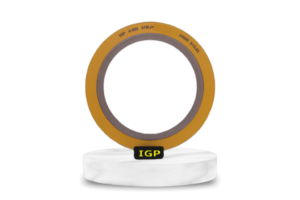
- Ideal for high-pressure, high-temperature applications
- Excellent recovery and resilience
- Widely used in refineries and pipelines
Ring Type Joint (RTJ) Gaskets
- Designed for extreme pressure environments
- Common in wellheads and offshore rigs
- Known for metal-to-metal sealing capability
- Frequently used as API compliant gaskets
Metal Jacketed Gaskets
- Suitable for heat exchangers and boilers
- Provide structural strength with soft filler
Compressed Fiber and Non-Asbestos Gaskets
- Cost-effective solution for moderate conditions
- Oil and hydrocarbon resistance
PTFE and Graphite Gaskets
- Superior chemical resistance
- Ideal for corrosive and aggressive media
Each type serves a specific operational requirement within industrial gaskets for oil and gas applications.
Regulatory Compliance: The Core of Safe Industrial Performance
Oil and gas operations are governed by strict regulatory frameworks. Choosing an experienced oil gas gasket supplier ensures adherence to global standards such as:
- API 6A
- ASME B16.20
- ASME B16.5
- ASTM material standards
- ISO 9001 quality management
- NACE MR0175 (corrosion resistance)
Using non-certified components can lead to audit failures, shutdown notices, and reputational damage.
When sourcing API compliant gaskets, documentation and traceability are equally important as material quality. Proper mill test certificates (MTCs), pressure ratings, and inspection records are critical for EPCs and plant managers.
Gasket Selection Checklist for Engineers
Before selecting industrial gaskets for oil and gas applications, engineers must carefully assess operating pressure, temperature limits, media compatibility, flange specifications, compliance requirements, installation conditions, and long-term performance expectations.
- Operating pressure range
- Maximum & minimum temperature
- Media compatibility
- Flange type & surface finish
- Required compliance standards
- Bolt load requirements
- Installation environment (offshore/onshore)
- Maintenance cycle expectations
Following a systematic and well-evaluated selection process minimizes operational risks, enhances sealing performance, strengthens regulatory compliance, and ultimately delivers consistent, dependable reliability across demanding oil and gas applications.
Why IGP Engineers is a Right Partner
In high-risk industrial environments, choosing the right supplier is just as critical as selecting the right product. IGP Engineers goes beyond manufacturing, delivering compliance-focused sealing solutions designed to enhance safety, reliability, and regulatory confidence.
Key strengths include:
- Precision-engineered gasket manufacturing
- Strict adherence to API and ASME standards
- Robust quality control systems
- Industry-specific customization
- Reliable supply chain support
Reducing Risk Through Smart Gasket Selection
Risk in oil and gas operations often originates from overlooked details. Investing in certified high pressure gaskets and thoroughly tested sealing solutions helps:
- Prevent hazardous leaks
- Avoid fire incidents
- Minimize environmental damage
- Reduce downtime
- Improve plant lifespan
Compliance is not just about documentation. It is about protecting people, assets, and reputation.
Conclusion
In the oil and gas sector, safety and compliance are non-negotiable. Every flange joint must perform under pressure. Every seal must withstand harsh conditions. Every component must pass regulatory scrutiny.
Choosing certified industrial gaskets for oil and gas is not just a technical decision—it is a strategic one.
If your project demands proven performance, audit-ready documentation, and engineered precision, partner with IGP Engineers for compliance-driven sealing solutions designed to protect your operations.